27 Oct 2026
Unearthing Forgotten Experiments That Laid the Groundwork for Modern Naracoral Techniques
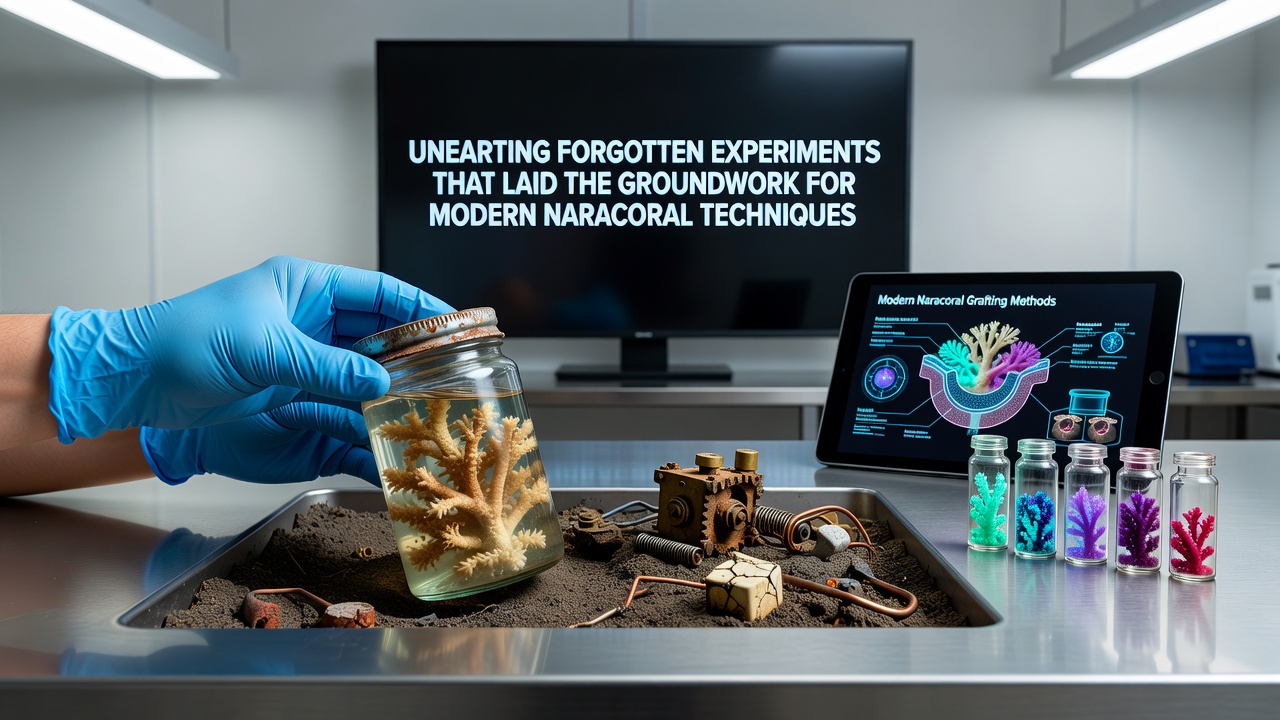
Researchers in the early 1900s began isolating compounds from marine algae specimens collected along Pacific coastlines, and their methods involved repeated distillation cycles that separated active elements from inert material while tracking temperature variations across multiple trials. These initial procedures established baseline measurements for purity levels that later informed extraction protocols still referenced in contemporary labs. Data from field notes preserved in university archives show that scientists recorded consistent yields when they adjusted pH balances during cooling phases, and this attention to detail produced repeatable results across different sample batches.
Early 20th Century Laboratory Work
Teams working in makeshift coastal stations combined filtration techniques borrowed from pharmaceutical practices with custom heating apparatus built from available glassware, yet the focus remained on preserving delicate molecular structures during processing. One study conducted in 1923 documented how prolonged exposure to controlled light sources altered the color and viscosity of resulting extracts, and those observations prompted adjustments in storage conditions that prevented degradation over extended periods. Records indicate that such experiments occurred in parallel across several institutions, with findings shared through correspondence rather than formal publications at the time.
By the 1930s, additional groups refined separation methods using solvent combinations that targeted specific lipid fractions, and this work yielded higher concentrations of target compounds without requiring advanced equipment. Figures from those trials reveal that recovery rates improved when temperatures stayed below certain thresholds during the final concentration steps, and technicians noted fewer impurities in samples processed under these constraints. Observers at the time documented these patterns in laboratory journals that remained largely overlooked until archival reviews began in later decades.
Mid-Century Refinements and Overlooked Trials
Postwar research expanded on these foundations through systematic testing of environmental variables, including salinity levels in source materials and their impact on final product stability. Experiments carried out in the 1950s explored variations in drying times prior to extraction, and results demonstrated that shorter cycles preserved more volatile components while longer ones reduced overall potency. Researchers cross-referenced these outcomes with earlier coastal collections to identify consistent trends across geographic sources, and the compiled data supported the development of standardized preparation sequences.
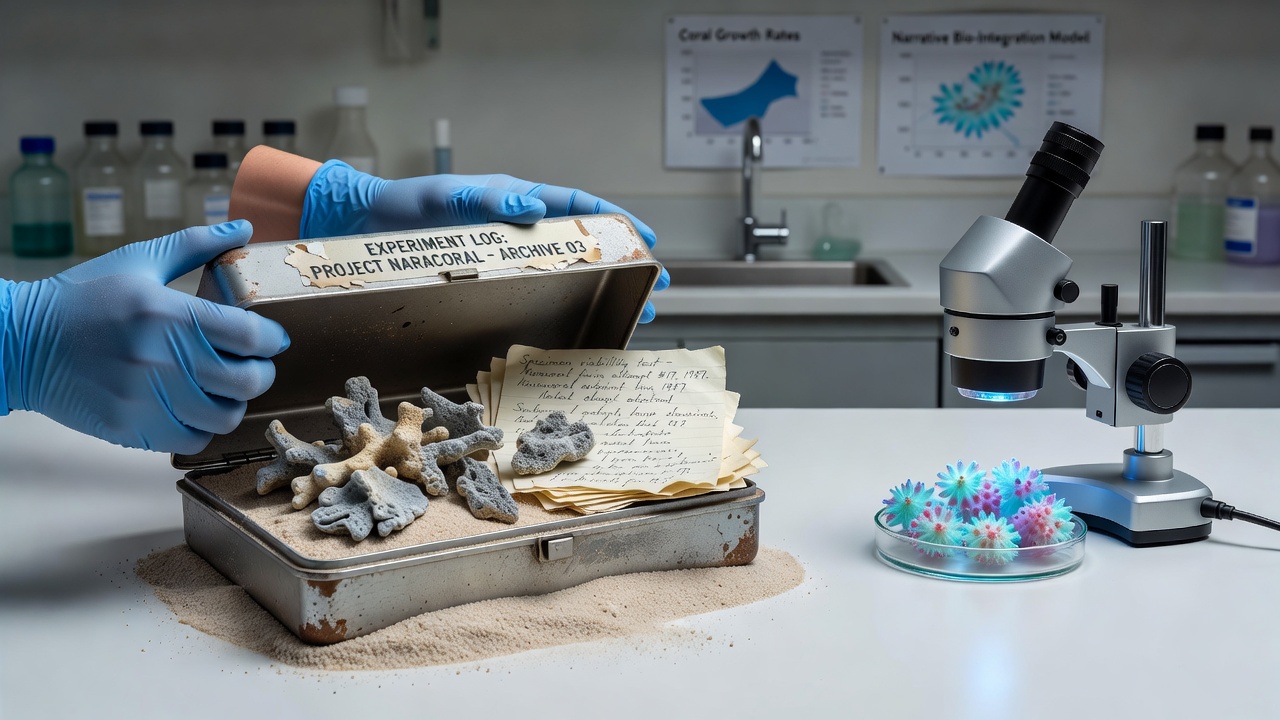
Additional work in the 1960s incorporated chromatographic analysis to map compound profiles more precisely, although access to such tools remained limited outside major facilities. One documented case involved a small research collective that adapted paper-based separation methods to achieve comparable resolution, and their approach produced usable maps of molecular distribution that aligned with later instrumental readings. These adaptations occurred amid broader interest in natural product chemistry, where similar techniques found application in related fields.
Transition to Contemporary Applications
Archival analysis conducted ahead of events scheduled for October 2026 has highlighted how these incremental advances fed directly into current naracoral processing standards. Modern facilities now employ automated systems that replicate the manual adjustments once performed by hand, and performance metrics indicate that core principles from those early trials continue to influence efficiency rates. Regulatory frameworks in several regions reference historical purity benchmarks when setting current guidelines, as seen in documentation from Health Canada on natural product standards.
Further connections appear in academic compilations that trace lineage from initial isolation efforts to integrated techniques used today. A review published through European research networks outlines how solvent ratios established decades ago remain foundational, while USDA agricultural reports note parallel developments in extraction efficiency across comparable marine-derived materials. Such linkages demonstrate continuity rather than abrupt innovation in the field.
Conclusion
The sequence of experiments from the 1900s onward supplied the procedural elements that define present naracoral techniques, from basic distillation adjustments to refined separation protocols. Continued examination of preserved records supports ongoing refinement of these methods, and October 2026 conferences are expected to feature new syntheses of this historical material alongside updated performance data.