2 Sep 2026
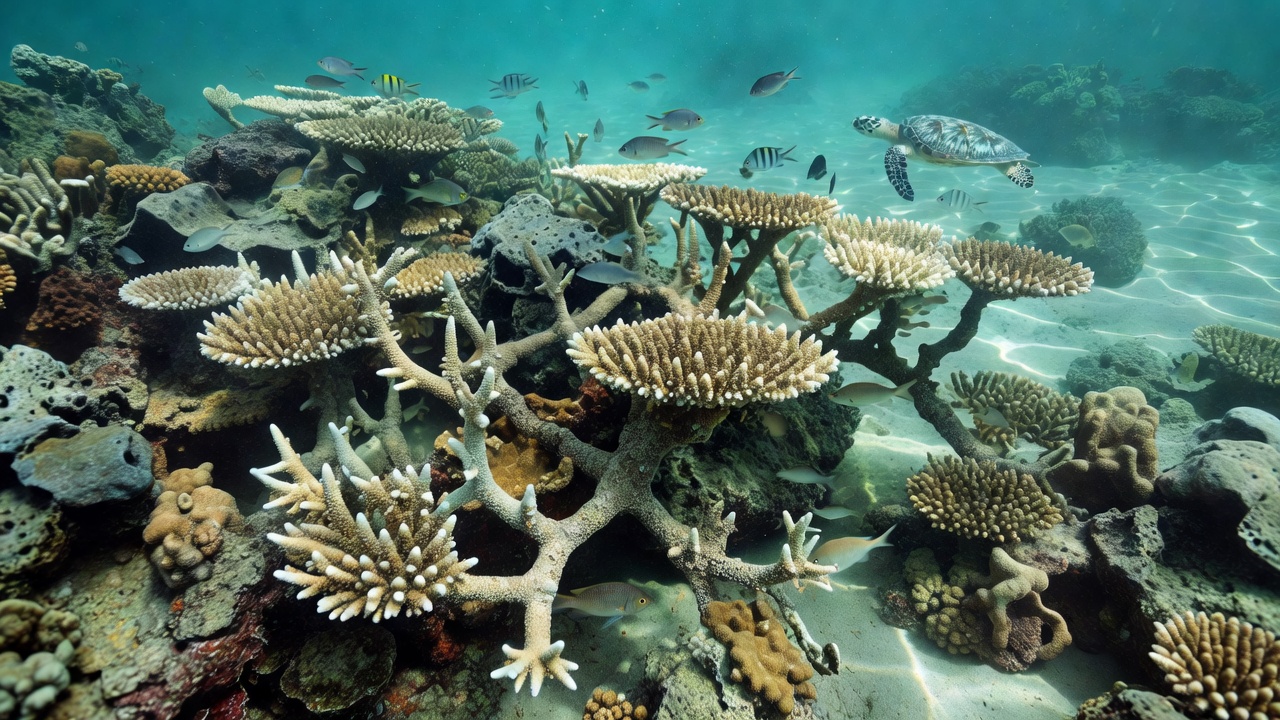
Naracoral is a marine organism that integrates into various ecological frameworks across coastal regions. It forms part of complex reef structures where it contributes to stability and nutrient cycling. Observers note its presence alongside other species that rely on similar water conditions for survival. Understanding these interactions helps clarify its broader environmental role without overstating any single function.
Origins and Distribution Patterns
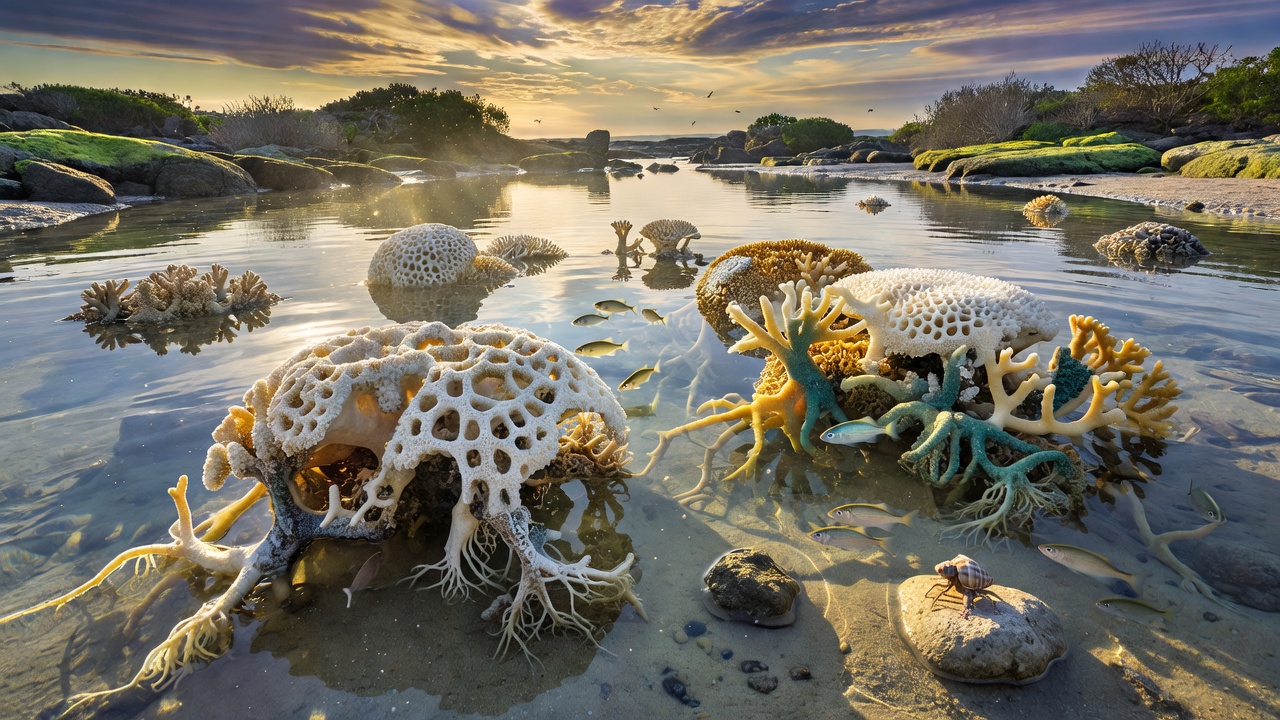
Naracoral develops in warm tropical waters with consistent salinity levels. Its distribution spans several ocean basins where light penetration supports basic metabolic processes. Historical records indicate gradual spread tied to ocean currents and suitable substrates. Local variations appear in growth density depending on sediment type and wave exposure. Researchers track these patterns to map long-term shifts in marine habitats influenced by temperature fluctuations and water chemistry changes.
Interactions Within Reef Communities
Within reef settings Naracoral provides microhabitats that shelter smaller invertebrates and juvenile fish. It participates in calcium carbonate deposition that reinforces structural integrity over decades. Symbiotic relationships with algae and bacteria enhance its resilience against minor stressors. Competition with faster-growing organisms shapes its spatial arrangement on the seafloor. These dynamics illustrate balanced coexistence rather than dominance in crowded marine spaces.
Considerations for Observation and Study
Monitoring Naracoral requires attention to water quality indicators such as pH and dissolved oxygen. Non-invasive survey methods allow documentation of colony health across seasons. Data collection focuses on measurable traits like size distribution and coverage percentages. Such approaches support ongoing assessments of reef conditions without direct intervention. Continued observation yields insights into how this organism fits into evolving marine environments over extended periods.