16 Jun 2026
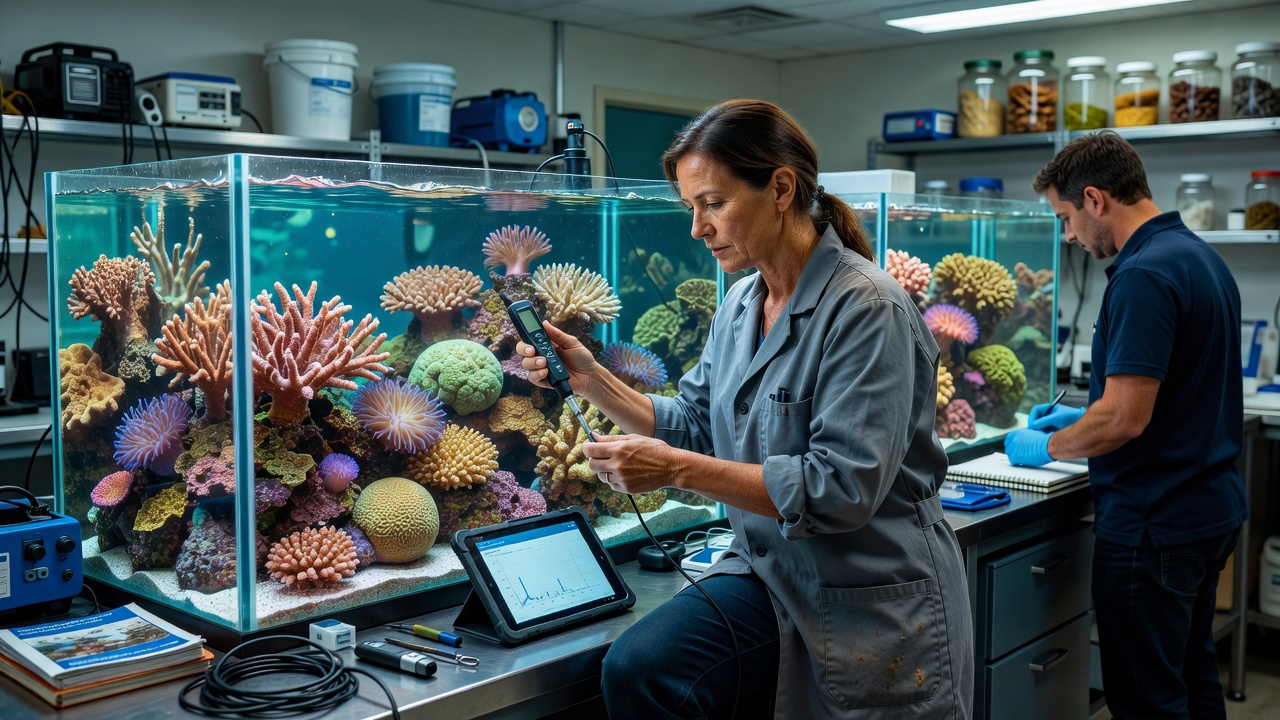
Naracoral requires consistent observation to maintain optimal conditions in any marine setup. Regular monitoring helps identify subtle shifts before they escalate into larger issues. Focus on key environmental factors, physical traits, and development patterns to support long-term vitality.
Water Quality Indicators
Stable salinity levels between 1.024 and 1.026 specific gravity remain essential for Naracoral. Test calcium, magnesium, and alkalinity weekly, as these elements directly influence skeletal formation. Sudden drops in pH below 8.1 can signal the need for immediate adjustment through water changes or buffering agents. Track nitrate and phosphate concentrations to prevent algae overgrowth that competes with the coral for resources.
Ammonia and nitrite should stay at zero, while temperature fluctuations beyond two degrees Fahrenheit warrant correction. Use reliable test kits and maintain a log to spot trends over time. Consistent water parameters reduce stress and promote steady polyp activity.
Visual Cues in Naracoral
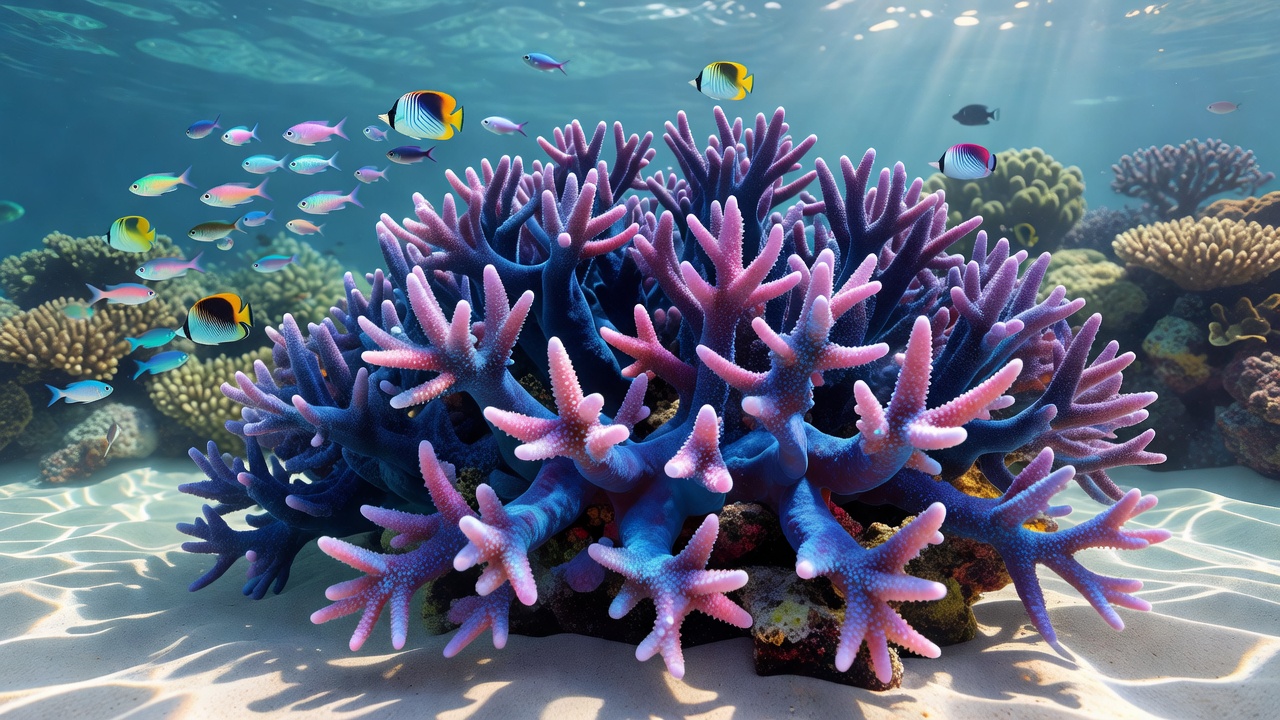
Healthy specimens display vibrant coloration without bleaching or browning. Extended polyps during daylight hours indicate good health, whereas retraction often points to irritation from flow, light, or chemistry. Inspect tissue for tears, discoloration, or recession along the base, as these signs may require prompt intervention such as improved circulation or targeted supplementation.
Monitor for excessive mucus production or pest presence like flatworms. Compare current appearance against baseline photos taken under identical lighting to detect gradual changes accurately.
Behavioral and Growth Observations
Track expansion rates monthly by measuring colony diameter or fragment size. Steady budding or new polyp formation reflects favorable conditions. Note feeding responses if supplemental nutrition is provided, ensuring the coral extends fully to capture particles. Reduced growth or tissue loss often correlates with lighting intensity shifts or nutrient imbalances.
Document any interactions with neighboring corals to avoid aggression. Adjust placement gradually when needed. These observations, combined with routine maintenance, support sustained Naracoral development in controlled environments.